


What permitted development is
Permitted development rights allow certain building work without a planning application, within strict limits. Typical examples include some:
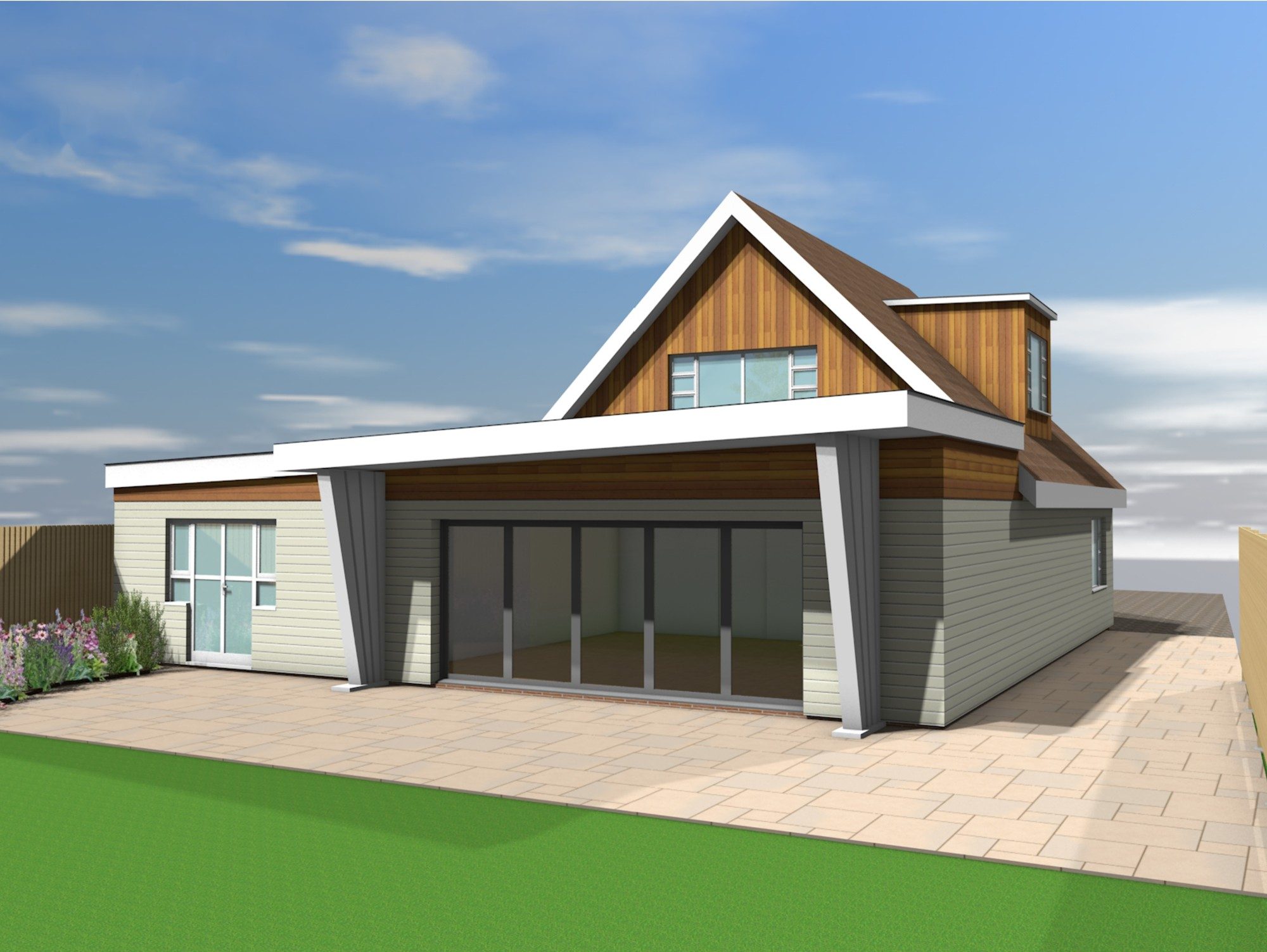
- Single-storey rear extensions
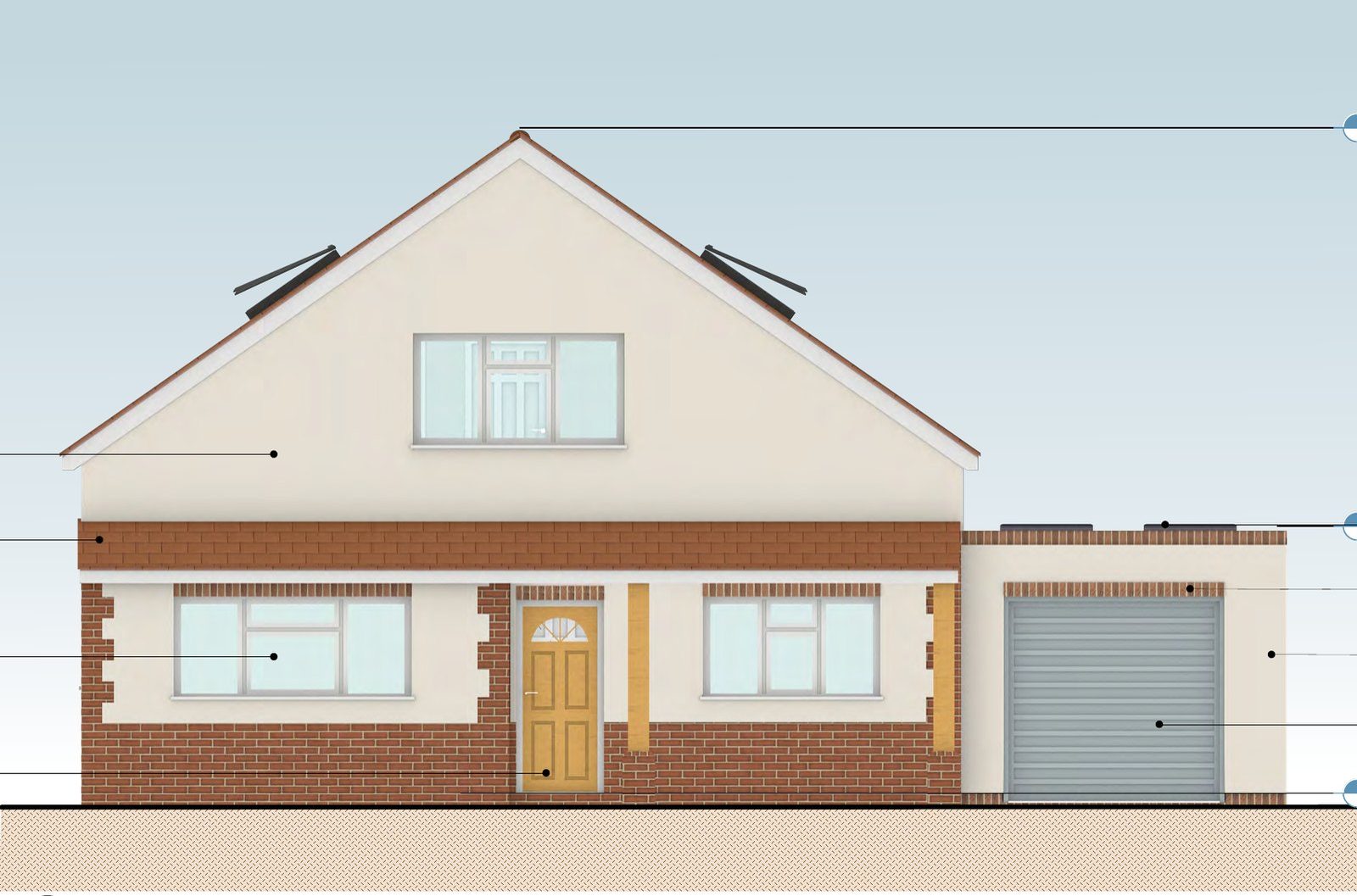
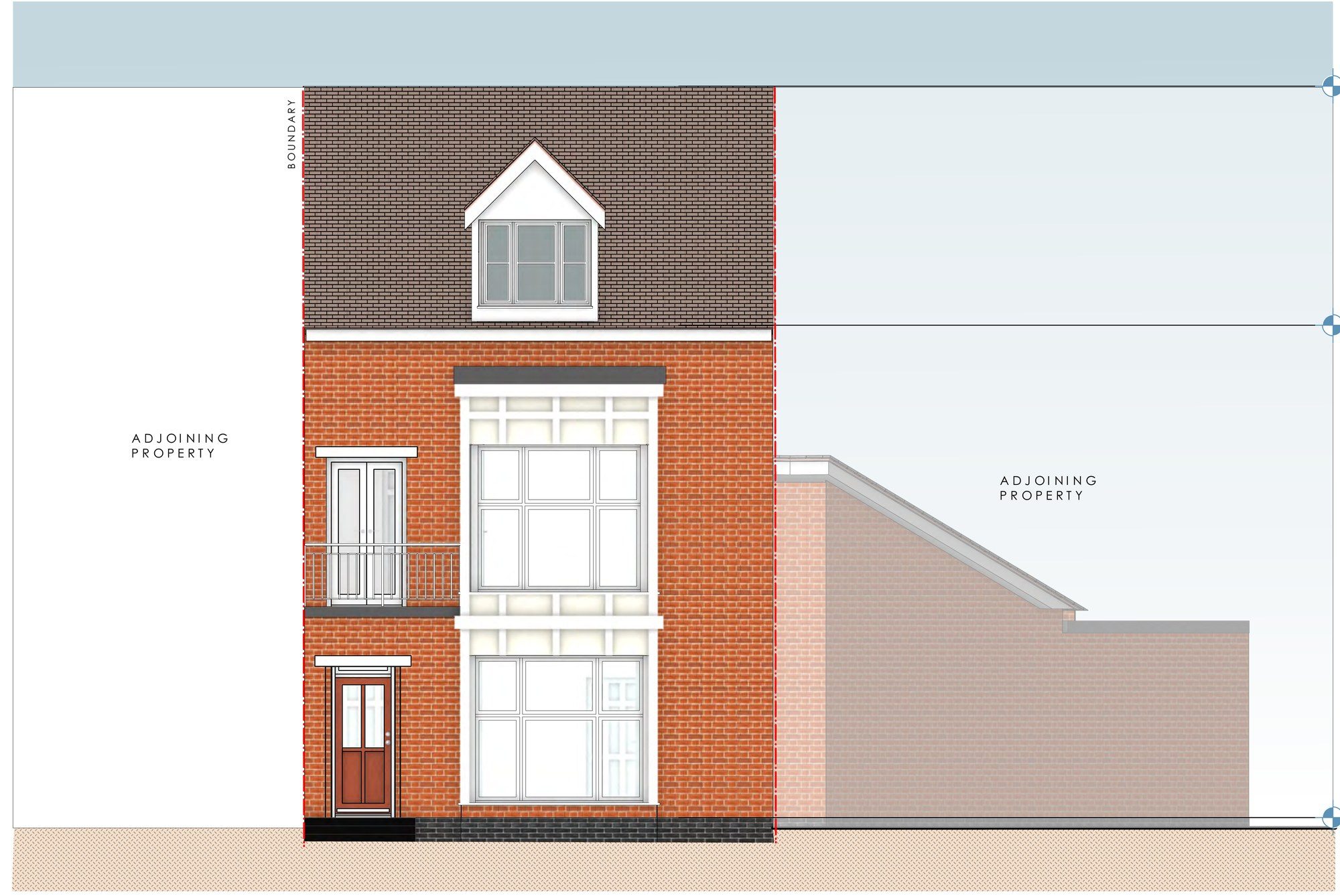
- Loft conversions and rear dormers
- Outbuildings and garden rooms
- Porches
- Solar panels
The limits depend on the size and position of the work, the type of house and its location.
When the rights don't apply
Permitted development rights are reduced or removed for:
- Listed buildings
- Properties in conservation areas, National Landscapes (formerly AONBs) and other protected areas
- Flats and maisonettes
- Homes where an earlier planning permission or an Article 4 direction removed the rights
Prior approval
Some permitted development needs prior approval from the council before you build, including larger single-storey rear extensions and some changes of use, such as agricultural buildings to homes under Class Q. The council checks specific issues, and neighbours can comment.
How we help
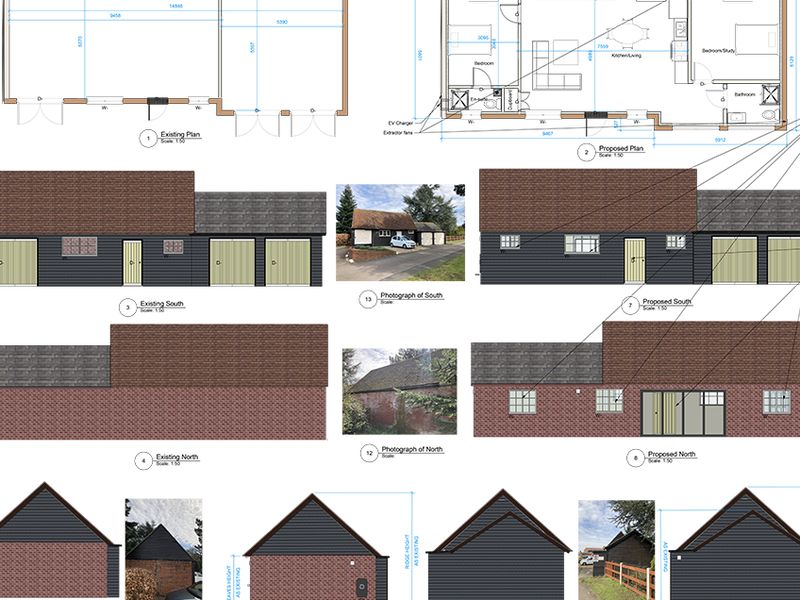
We check your property's planning history and designations, confirm what's possible, and prepare drawings that stay within the limits. For certainty, especially if you're selling later, we recommend a lawful development certificate.


Who'll handle your project: Benjamin Plunkett, our Managing Director and Planning & Heritage Consultant, is your point of contact from the first site visit to the decision. Charlie Plunkett MCIAT produces the drawings.
About us